
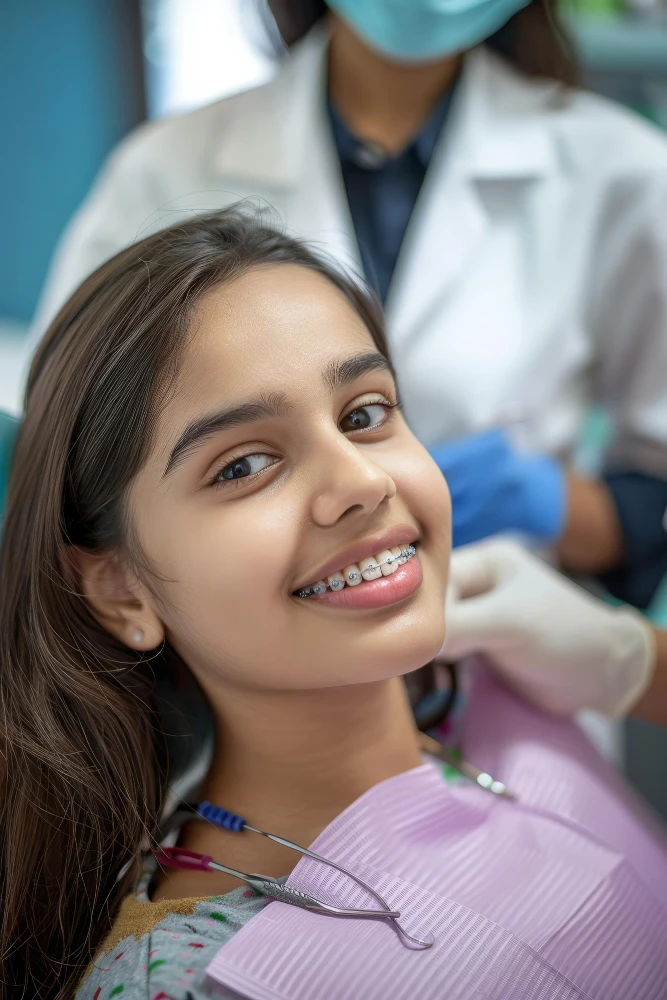
Orthodontic Care for Children, Teenagers and Adults
Orthodontics is the branch of dentistry that focuses on straightening teeth and correcting tooth alignment. The dental specialist who provides this treatment is called an orthodontist.
Children as well as adults can receive orthodontic treatment. Orthodontic care may be used to correct malocclusion, where the bite or occlusion is not properly aligned, as well as tooth malalignment such as crooked or crowded teeth.
Signs That May Need an Orthodontic Assessment
If you notice any of the following signs or concerns in yourself or your child, it may be useful to schedule an orthodontic consultation:
- You want a beautiful smile.
- You feel that a great smile may improve self-esteem and self-confidence.
- You want the best oral care for your family.
- Early or late loss of baby teeth.
- Difficulty chewing or biting.
- Mouth breathing.
- Thumb or finger sucking, or other oral habits.
- Crowded, misplaced or blocked-out teeth.
- Jaws that shift, make sounds, protrude or are recessed.
- Speech difficulty.
- Biting the cheek or roof of the mouth.
- Protruding teeth.
- Teeth that meet abnormally or do not meet at all.
- Facial imbalance or asymmetry.
- Grinding or clenching of teeth.
- Difficulty comfortably closing the lips.
Orthodontic treatment options can include retainers, clear aligners, metal braces, ceramic braces and other appliances. The most suitable option depends on factors such as age, tooth position, bite and jaw relationship.
Dr. Varun Parikh
Dr. Varun Parikh is qualified in Orthodontics and Dentofacial Orthopedics and provides labial orthodontics, lingual orthodontics, growth modification, Invisalign, clear aligners and surgical orthodontics.
He is also trained and certified in lingual orthodontics and provides orthodontic care at Smile Collective in Ghatkopar in Mumbai.
View Doctor ProfileExplore Orthodontic Treatment Options
Learn about braces, clear aligners, retainers, elastics, mouth guards and other orthodontic appliances used during treatment.
Book AppointmentTraditional braces use brackets fixed to the teeth and wires that pass through slots in the brackets. Some patients may also have metal bands around the back teeth. Small rubber ligatures or o-rings can be used to hold the wires to the brackets.
The brackets are generally made from stainless steel. Metal-alloy wires provide a constant, gentle force that gradually guides the teeth toward improved alignment.

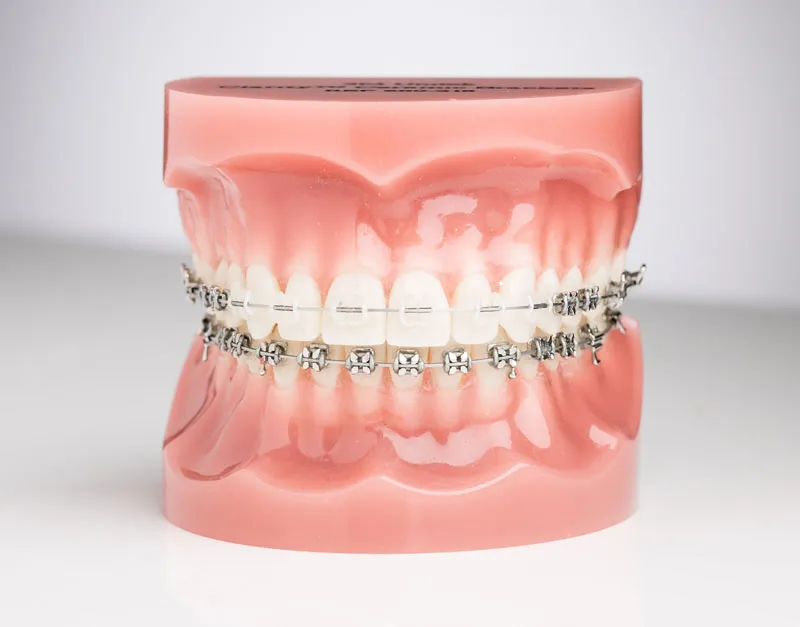
Traditional ceramic braces use tooth-coloured ceramic or porcelain brackets, making them less noticeable than standard metal brackets. Wires pass through the brackets and are held in place with small ligatures or o-rings.
Metal-alloy wires deliver a gentle, controlled force to move the teeth gradually.
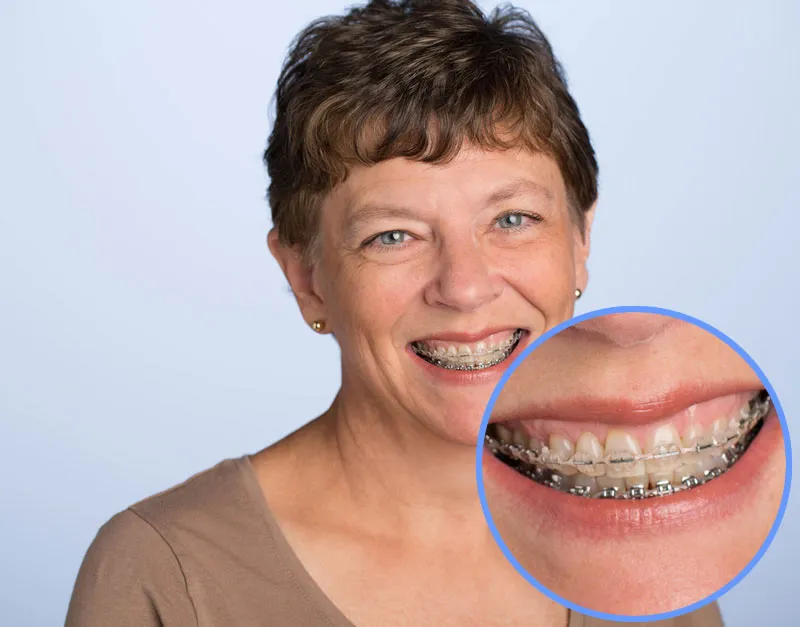
Self-ligating ceramic braces are tooth-coloured and use ceramic or porcelain brackets attached to the teeth. Built-in clips hold the orthodontic wire in place rather than separate ligatures.
The metal-alloy wires provide the gentle force required to guide the teeth toward their planned positions.
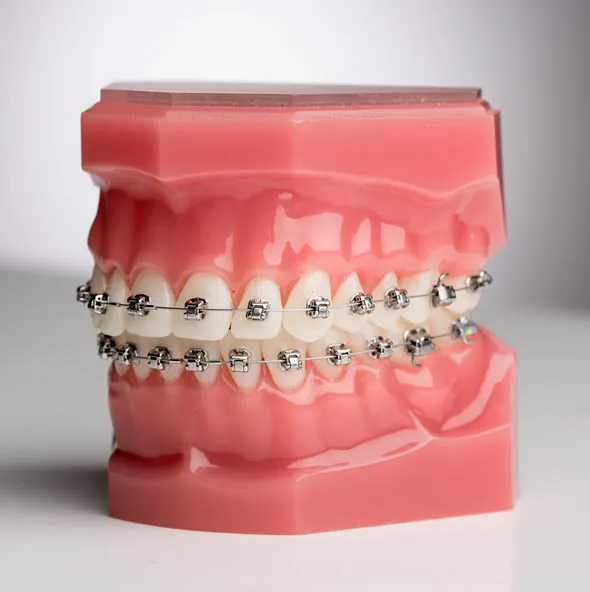
Self-ligating metal braces use stainless-steel brackets that are fixed to the teeth. Wires pass through the brackets and built-in clips hold the wires in place.
Some patients may also have metal bands around selected back teeth. Metal-alloy wires provide the controlled force needed for orthodontic tooth movement.
Clear aligners are thin, transparent plastic-like trays shaped to fit an individual's teeth. Patients put in and remove the aligners themselves.
A series of aligners is created to move the teeth gradually. Each aligner is generally worn for 2–3 weeks and moves the teeth a small amount at a time. Aligners are removed for meals and when brushing or flossing.
The number of aligners required depends on the orthodontic problem and the amount of correction needed.
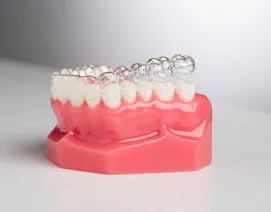
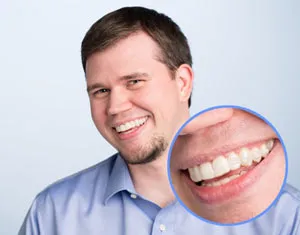
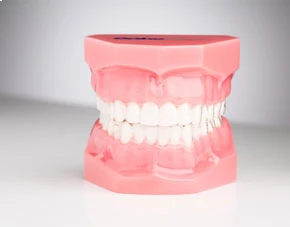

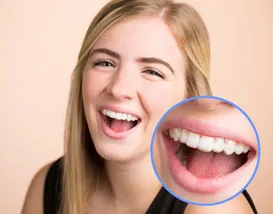
Removable clear retainers are thin, slightly flexible and made from a plastic-like material shaped to the final position of the teeth. Fixed retainers may also be used.
Retainers help hold the teeth in their new positions after active orthodontic treatment while newly formed bone hardens around the teeth.
Patients may be advised to wear removable retainers full-time for the first six months after active treatment, followed by night-time wear. When not being worn, removable retainers should be kept in the case supplied by the orthodontist.
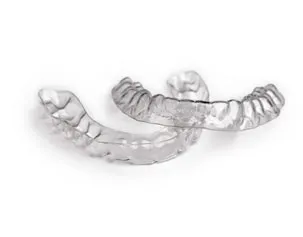

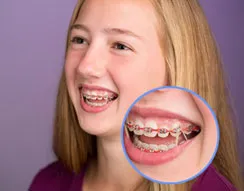
Orthodontic elastics are small rubber bands that apply additional force to selected teeth in ways that braces alone may not. Hooks on selected upper and lower brackets act as attachment points.
The elastics may be positioned vertically or diagonally depending on the patient's needs. They should be worn exactly as prescribed by the orthodontist. Wearing more elastics than advised can place excessive force on the teeth.

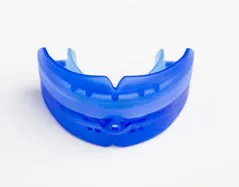
A mouth guard is used by athletes of different ages to protect the teeth from trauma during competitive and individual sporting activities.
Mouth guards can be made from different materials, from relatively flexible to more rigid designs. Custom-made mouth guards provide the greatest level of fit and protection. Over-the-counter alternatives include boil-and-bite and ready-to-wear versions.
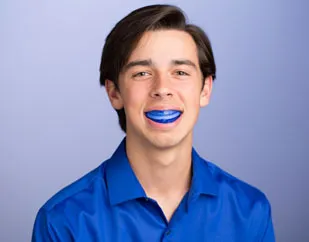
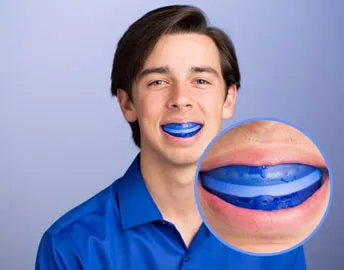
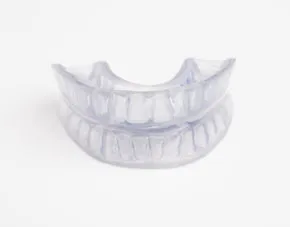
A sleep apnea appliance is a custom-made device that fits over the upper and lower teeth. It may be used for patients with obstructive sleep apnea and/or snoring to help keep the airway open during sleep.
The appliance works by holding the lower jaw slightly open and slightly forward.

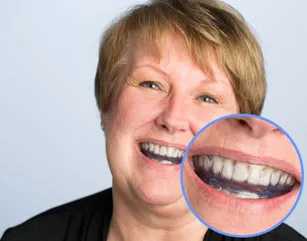
Life during orthodontic treatment includes periodic visits to the orthodontist, possible changes to diet, more frequent toothbrushing and daily flossing.
Parts of a Typical Braces System
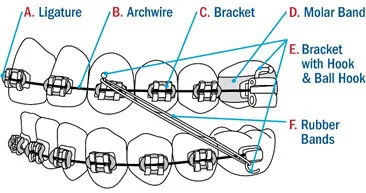
A. Ligature: Holds the archwire to each bracket and may be a small rubber band or a twisted wire.
B. Archwire: Fastened to the brackets and creates the force required to move the teeth toward alignment.
C. Brackets: Bonded directly to the teeth and used to hold the archwire.
D. Molar Bands: Metal bands with brackets that may be placed around selected molars for additional anchorage.
E. Bracket Hooks: Attachment points used for rubber bands or elastics.
F. Rubber Bands: Temporarily connect selected upper and lower brackets to provide additional force for tooth movement.
How Often Will We See the Orthodontist?
Visits to adjust braces or collect new aligners are generally scheduled every 6–10 weeks. During these appointments, the orthodontist reviews treatment progress and checks the health of the teeth and gums.
How Long Will Treatment Last?
Treatment time varies because every patient has a different orthodontic problem. The orthodontist will provide an estimated treatment duration after assessing the individual case.
- Follow the orthodontist's instructions for brushing and flossing.
- Continue professional dental cleaning at least every six months or as advised.
- With braces, avoid hard, sticky and crunchy foods.
- With aligners, remove them before eating or drinking anything other than water.
- Limit sugary and acidic drinks.
- Wear prescribed elastics exactly as instructed.
- Keep scheduled orthodontic appointments.
Common Questions About Orthodontic Treatment
Find answers to common questions about braces, tooth alignment and orthodontic care.
Talk to Us About Dental Implants
Send us your details to request a dental implant consultation. Our team will get in touch with you regarding your appointment request.